 Guided visit
Season: Year-round; no tours during prayers
Hassan II Mosque guided tour
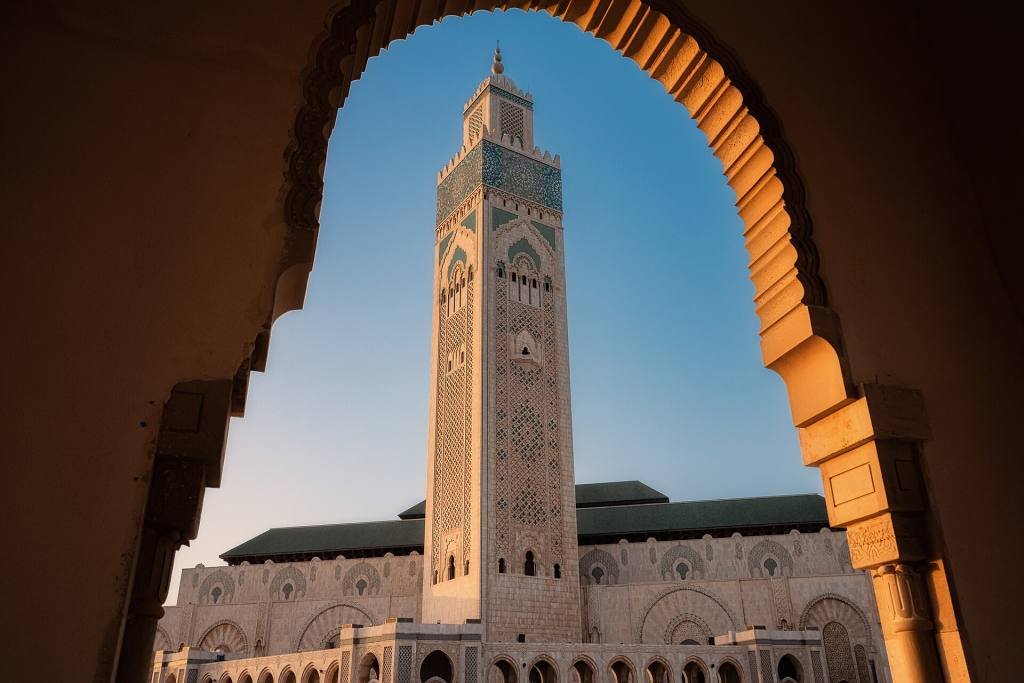
- See the vast prayer hall, the carved cedar ceilings and the zellige tiles
- Go down to the ablutions rooms and the hammam
Your independent guide to Casablanca
Morocco’s largest city is more than its famous film. Discover a vast mosque above the waves, an old walled medina, streets of Art Deco buildings, wonderful food and day trips along the coast. Honest advice, hand-picked tours and everything you need to plan your trip.
Why Casablanca?
Casablanca is where Morocco goes to work and to have fun. It pairs one of the world’s great mosques with fine architecture, good food and the Atlantic.
Tour the Hassan II Mosque in the morning, wander from the Old Medina into the Art Deco streets of the centre after lunch, and watch the sun set from the Corniche. Then add the pastry shops of the Habous, a cooking class or a train ride to Rabat.
We help you choose the right tours, find a good place to stay and get around with confidence.
Traveller favourites
Top-rated experiences booked through GetYourGuide, from the Hassan II Mosque and Art Deco walks to food tours and day trips to Rabat and Marrakech. Tap any tour for live prices and availability.
Guided visit
Season: Year-round; no tours during prayers City tour
Season: Year-round
 Walking tour
Season: Year-round
 Walking tour
Season: Year-round
 Food tour
Season: Year-round
 Cooking class
Season: Year-round
 Day trip
Season: Year-round
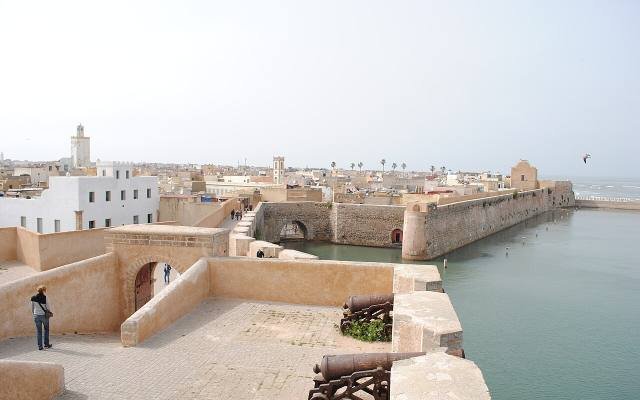 Day trip
Season: Year-round
Where to go
From the Hassan II Mosque and the Old Medina to the Habous quarter, the Art Deco centre, the Corniche and Rabat.
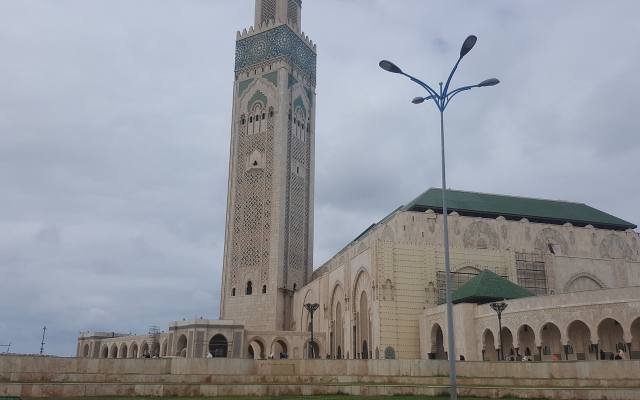 Mosque
A landmark above the sea
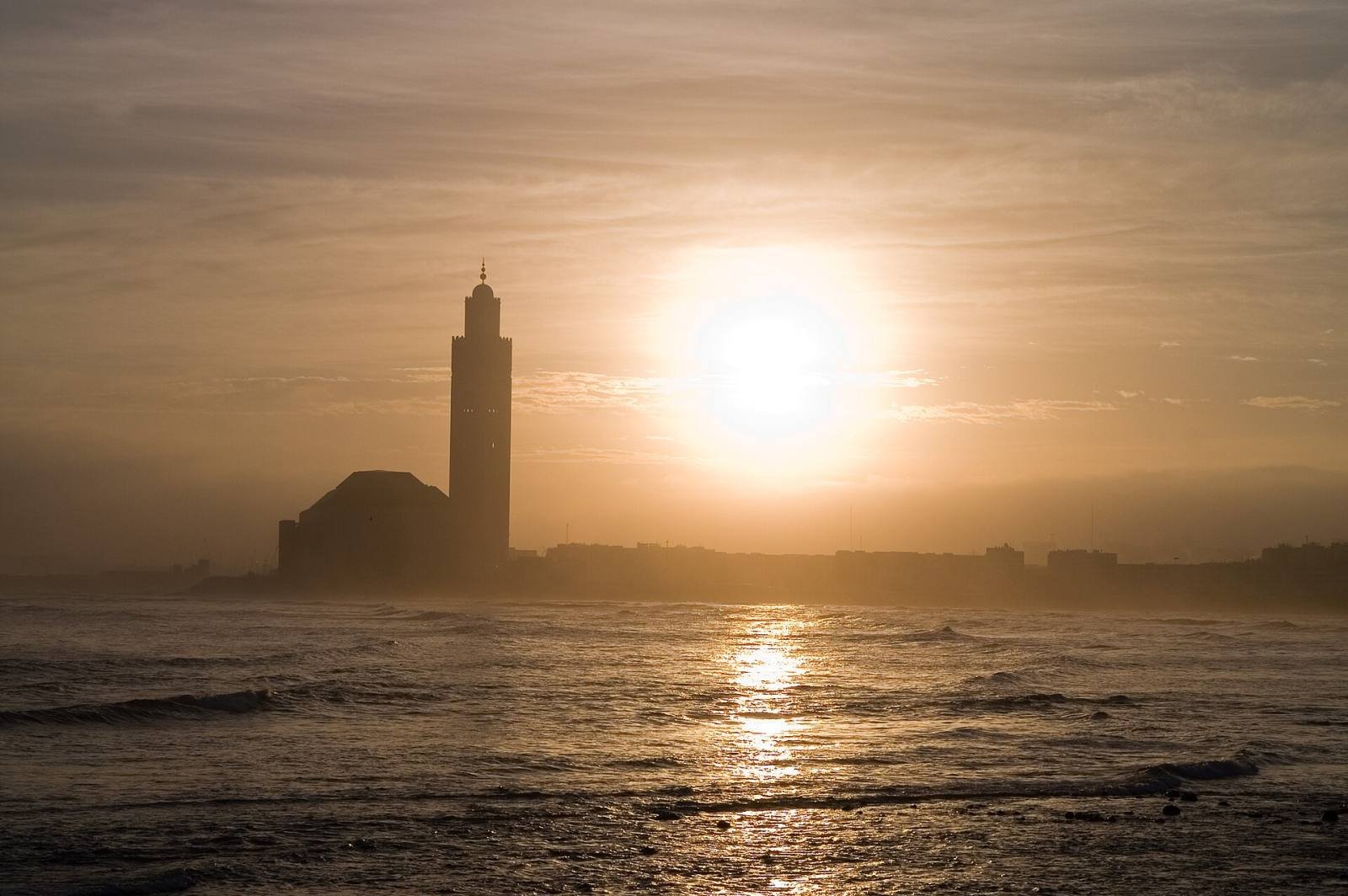
One of the largest mosques in the world, built partly over the Atlantic and finished in 1993, with a 210-metre minaret and guided tours that are open to non-Muslims.
 Old town
Lanes behind the old walls
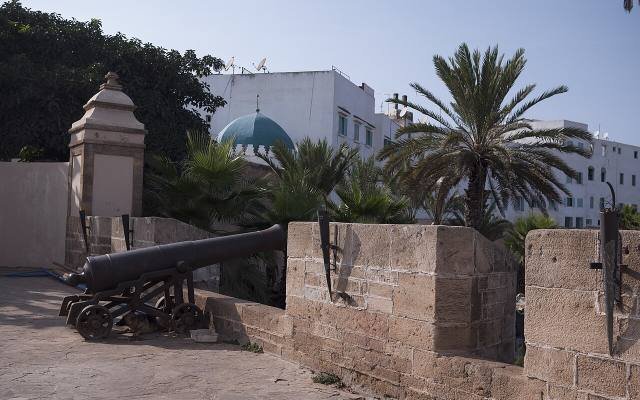
The small walled old town beside the port, with narrow lanes, everyday souks, the Sqala bastion and the Bab Marrakech gate, far less touristy than the medinas of Fez or Marrakech.
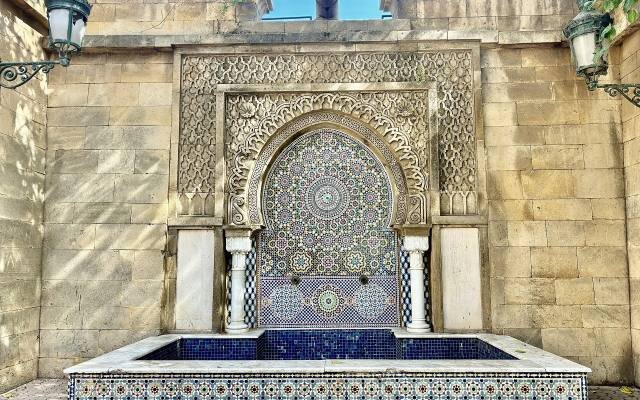 Neighbourhood
Arcades, olives and pastries
A charming “new medina” built in the 1920s and 1930s, with tidy arcades, craft shops, an olive market, famous pastry shops and the carved halls of the Mahkama du Pacha.
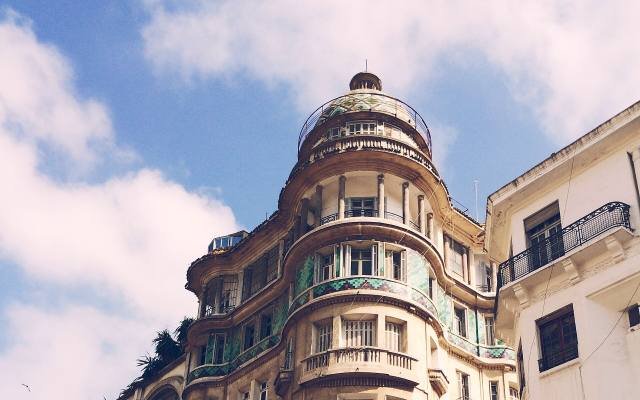 Architecture
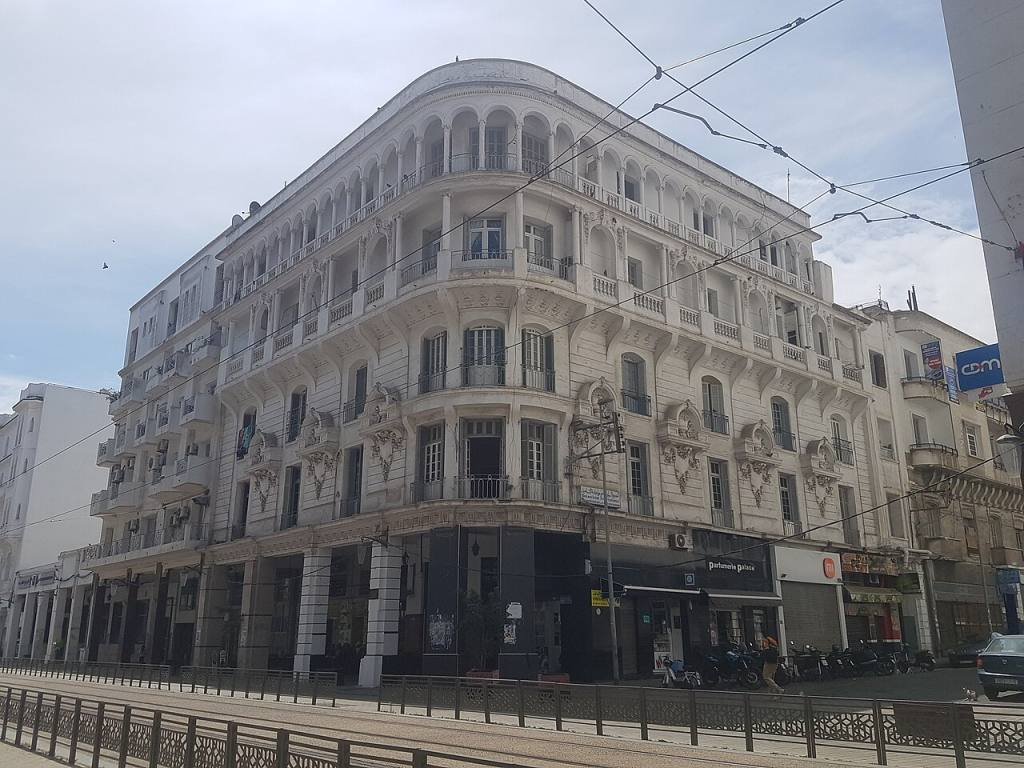
A museum of 1930s buildings
Boulevard Mohammed V and the streets around it are lined with Art Deco and neo-Moorish buildings from the 1920s and 1930s, including cinemas, arcades and the Central Market.
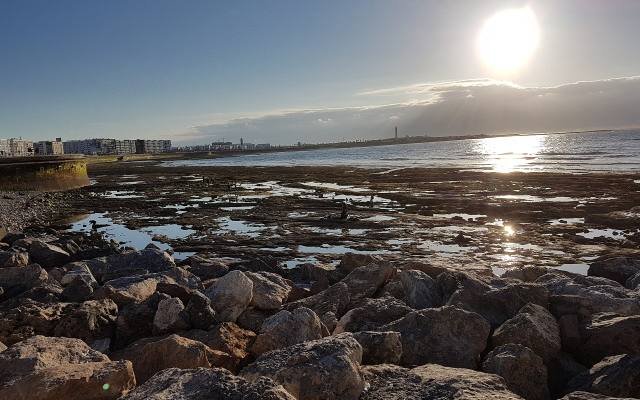 Seafront
Beaches, surf and sunsets
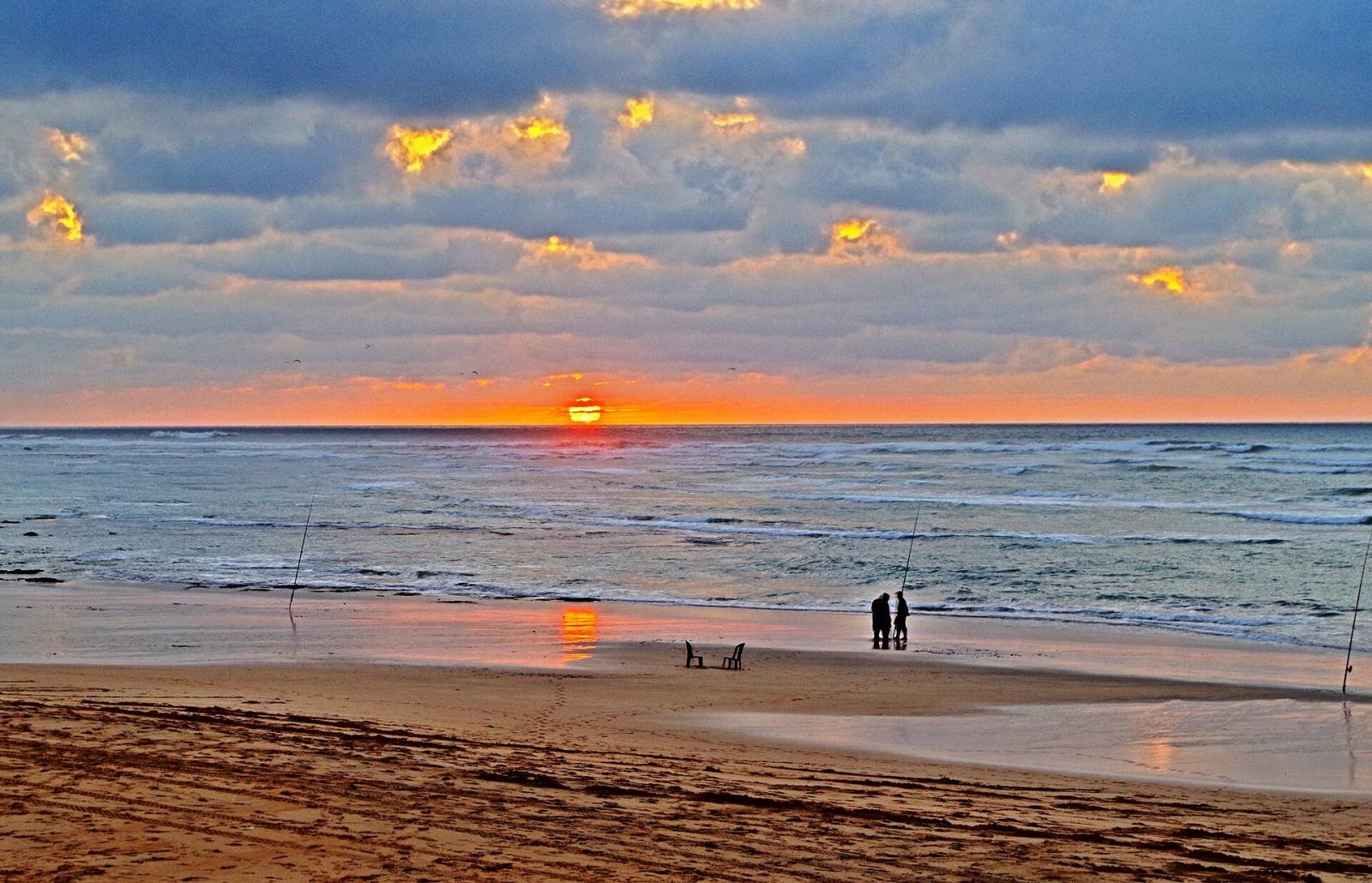
Casablanca’s seaside strip, with a long promenade, beach clubs, surf schools, restaurants and the Morocco Mall, and the best place in the city to watch the sun go down.
 Capital
Morocco’s calm capital
Morocco’s capital is about an hour away by train, with the Hassan Tower, the Mausoleum of Mohammed V, the blue and white Kasbah of the Udayas and the ruins of Chellah.
Where to stay
Where you stay shapes your trip. We compare four areas, with the trade-offs of each and direct hotel searches.
Stories & guides
Itineraries, architecture, food and practical tips for your trip to Casablanca.
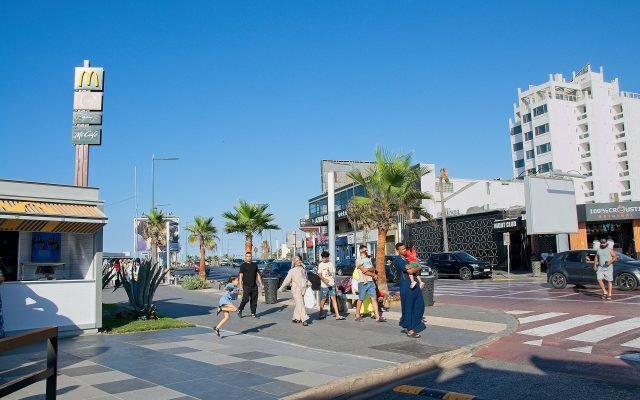 Sights
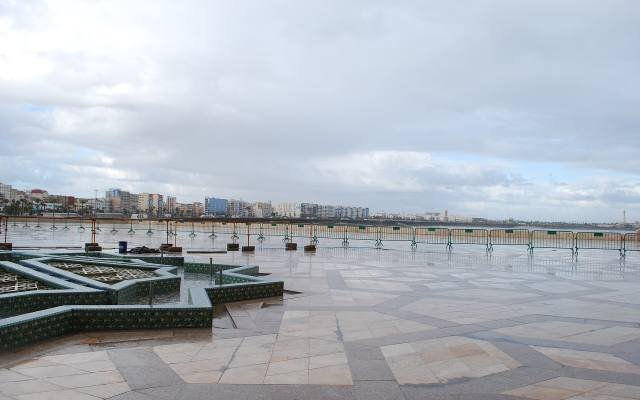
Casablanca’s seafront runs from the Hassan II Mosque past the El Hank lighthouse to the beaches of Ain Diab. Here is how to spend an afternoon and evening on the Corniche.
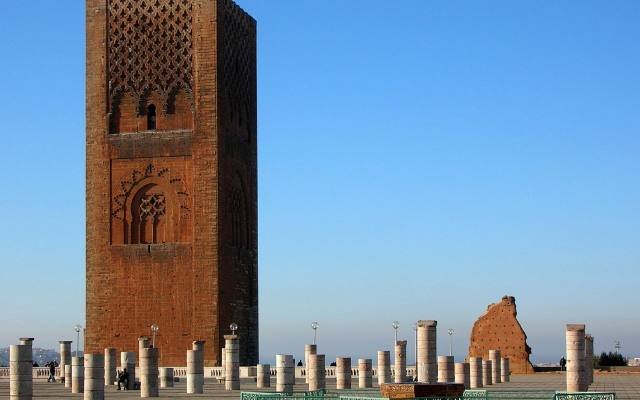 Day trips
How to visit Rabat in a day from Casablanca: which train and station to use, a route through the main sights, and tips on dress, entry and getting around.
 Itineraries
A one-day plan for Casablanca: a morning tour of the Hassan II Mosque, the Old Medina and the Art Deco streets, the Habous quarter and a sunset on the Corniche.
Plan like a local
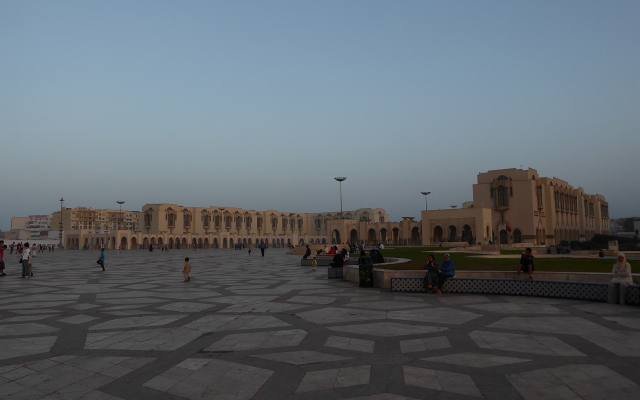
Our pick of tours and day trips in Casablanca: the Hassan II Mosque, Art Deco walks, food tours, cooking classes, and trips to Rabat and El Jadida.
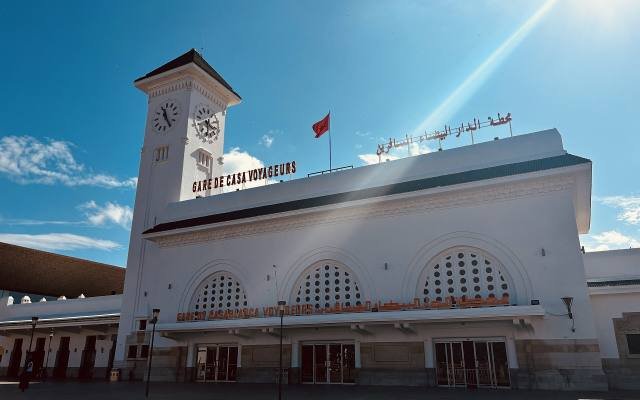
Flights to Casablanca, the airport train, trains from other Moroccan cities and getting around by tram and petit taxi, explained.
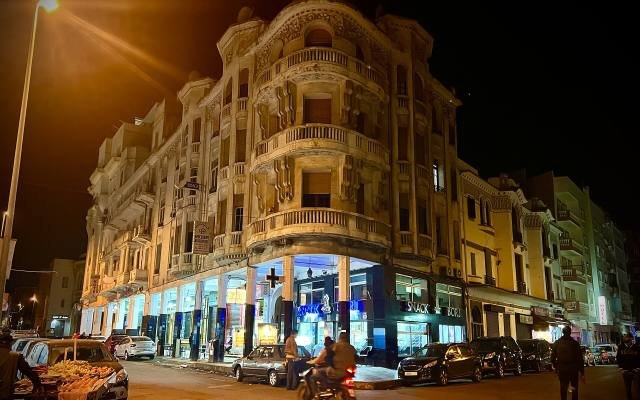
Seasons, money, health, safety and customs: what to know before you visit Casablanca.
Plan your Casablanca trip
Tour the Hassan II Mosque, walk the Art Deco streets of the city centre, shop in the Habous quarter or take the train to Rabat for the day. Compare tours and book in a couple of taps.
Good to know
No. GrandCasablanca.com is an independent travel guide. We are not the city or regional government of Casablanca, the Hassan II Mosque, a tourism board or a tour operator. When you book a tour through our links, you book with our partner GetYourGuide and the tour operator, who handle your booking, changes and refunds.
Yes, especially for the Hassan II Mosque, the Art Deco city centre, the food and the sea. It is a big, modern business city rather than a postcard medina, so it rewards a day or two rather than a long stay. See our one-day itinerary.
It is the name often used for the city and its surrounding area. Grand Casablanca was also an administrative region until 2015, when it became part of the larger Casablanca-Settat region.
One full day covers the main sights, and two let you enjoy the city at a slower pace. Add a third for a day trip to Rabat or El Jadida. See three days in Casablanca and Rabat.
Spring (April to June) and autumn (September to October) are mild and mostly dry. Summer is warm but rarely very hot thanks to the ocean, and winter is mild with some rain. See our travel guide.
Most visits are trouble-free. Take normal big-city care with bags and phones, especially in crowded places, use taxis after dark and check your government’s travel advice before you go. See our travel guide.